December 2025
From Florence to My Studio: How Florentine Paper Inspired My Handmade Paper Journey
There are certain materials that speak to you the moment you touch them. For me, that moment happened recently in Florence — the city of the Renaissance, where craftsmanship seems to breathe through the streets. Among the leather, the marbled books, and the warm glow of artisan workshops, I discovered Florentine paper. Luxurious, patterned, and unmistakably traditional, it felt like holding a little piece of history.
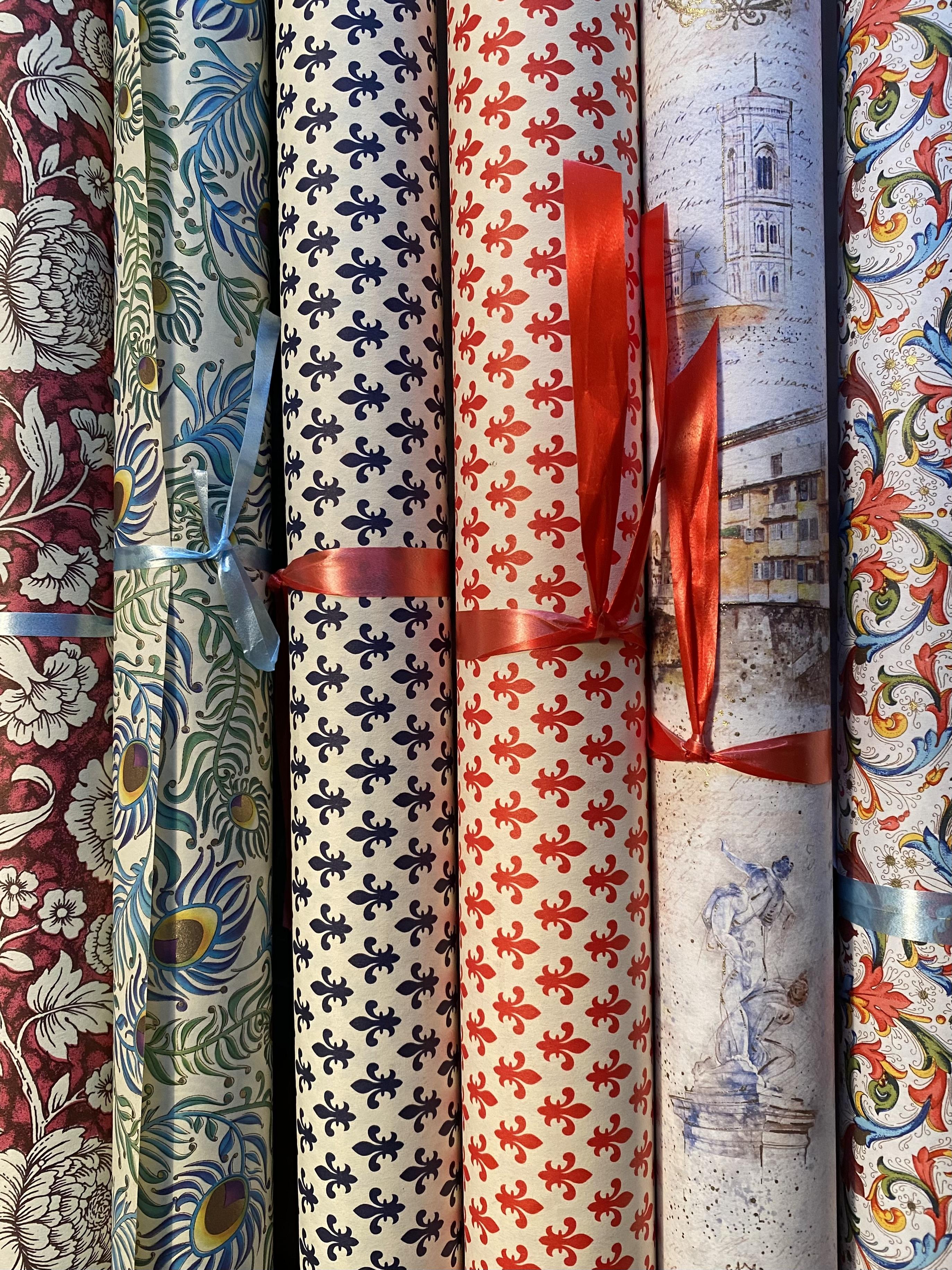
That discovery sparked an idea: What if I could make my own paper? Not to imitate the beauty of Florentine sheets, but to be inspired by the centuries-old craft behind them.
This is the story — and the process — of how I made handmade paper in my own studio.
I wanted to understand: How does paper become paper? What does texture mean when you create it yourself?
Little did I know how calming, messy, and addictive the process would become.
🧺 Step 1 - Preparing the Pulp -
Handmade paper begins with fibers. I collected scrap cotton rag and recycled papers, soaking them overnight until they softened enough to blend. After pulping the mixture in small batches with water, I ended up with a creamy, cloud-like slurry.
🪟 Step 2 — Mould & Deckle Magic -
Once the pulp was ready, I dipped my mould and deckle into the vat and gave it a gentle shake side-to-side to distribute the fibers evenly. This step determines the thickness and texture of each sheet. Every pull feels slightly different — that’s the charm of handmade paper. No two pieces ever match perfectly.
💧 Step 3 — Couching the Sheet -
After lifting the mould, I flipped the wet sheet onto a piece of cotton ripped up from bedding . This step is called couching (pronounced “coo-ching”). Layer after layer, paper and cotton alternated into a growing stack.
🏋️ Step 4 — Pressing & Drying -
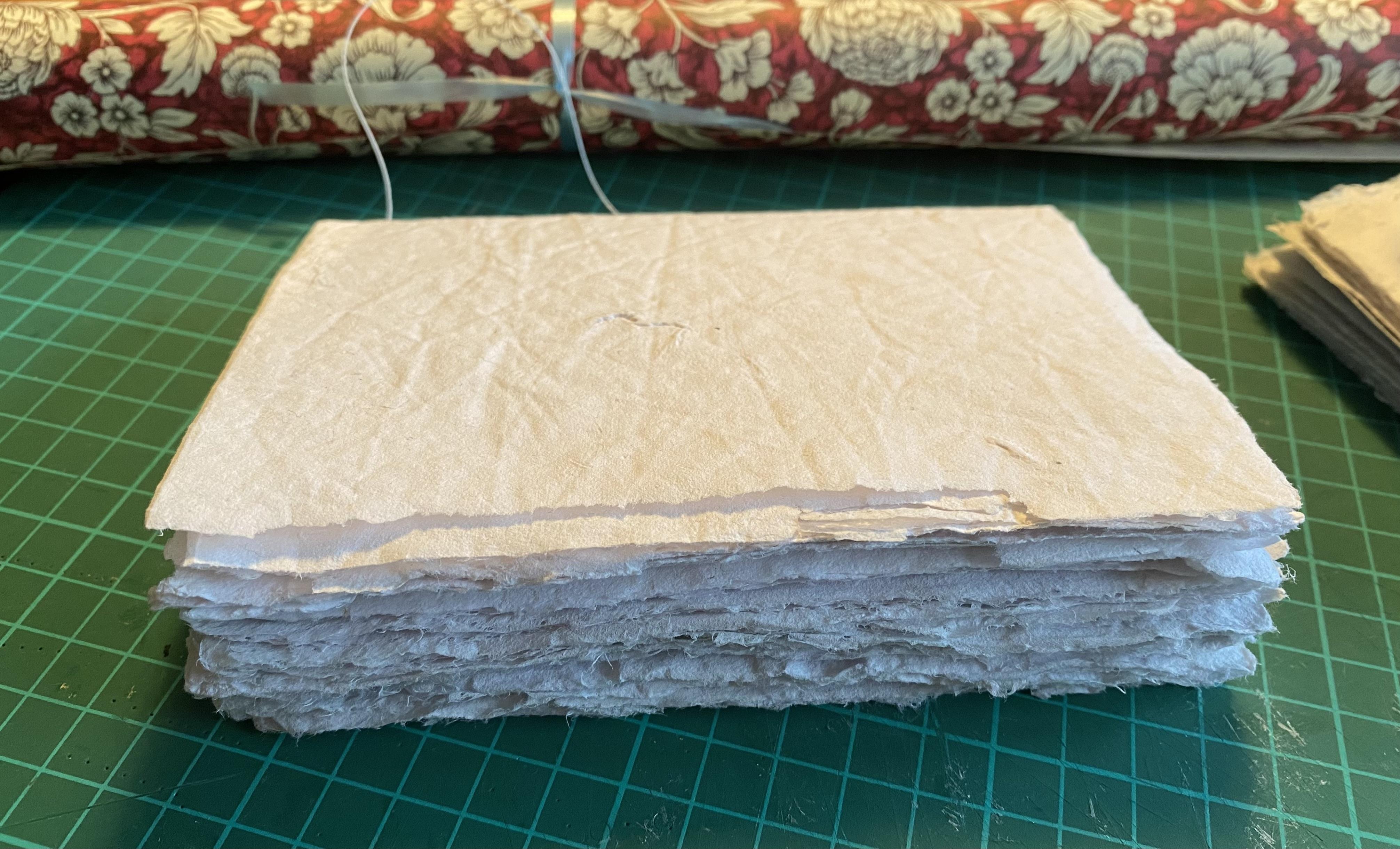
Once I finished the batch, I pressed the stack to remove excess water and left the sheets to dry on my washing horse. Over the next day, the fibers transformed — from soft, fragile films into crisp, textured paper with rugged deckled edges and imperfect rectangle sheets. With creases, tear marks and thread fibre visibly interwoven into the seam of the paper.
📚 Step 5 — Trimming & Stacking
This was the moment where all the effort finally felt real.
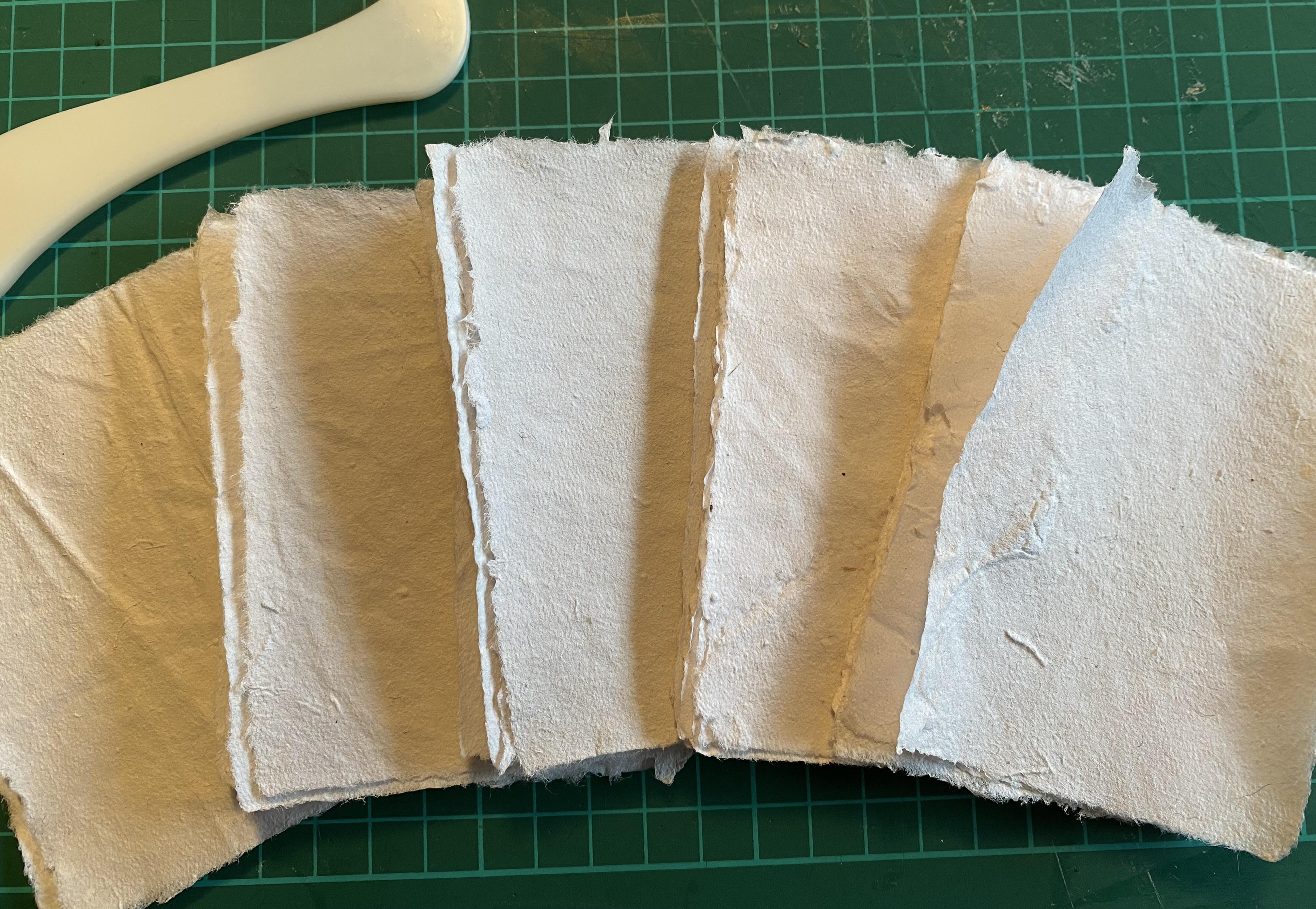
The sheets dried beautifully, each one slightly unique with subtle ridges, feathered edges, and a natural softness. Laid out on my cutting mat, they looked like a small artisanal treasure — a humble nod to the inspiration I found in Florence.
Handmade paper carries the charm of imperfection. It feels alive, textured, and deeply personal. Making paper connected me, not only to a traditional craft, but also to the inspiration that sparked it — that moment in Florence when I held Florentine paper.
Now these sheets are ready for their next life: